
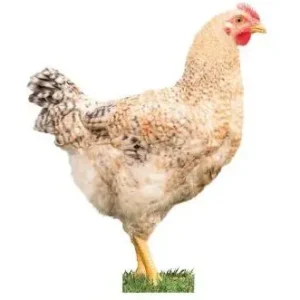
Cornish Cross Broiler
$15.00
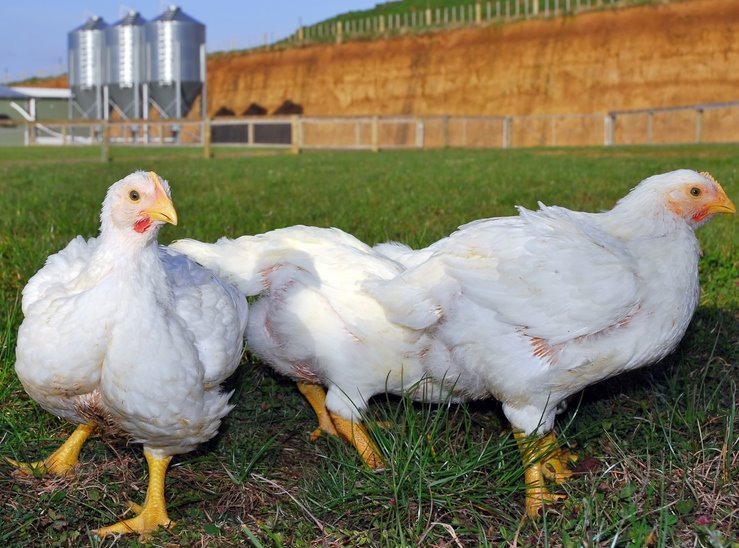
The Cornish Cross Broiler is the undisputed heavyweight champion of the poultry world. If you are looking to fill your freezer with high-quality meat in record time, this is the bird that sets the gold standard for efficiency.
In this guide, we’ll dive into why these birds are the go-to choice for commercial farmers and backyard homesteaders alike.
What is a Cornish Cross Broiler?
The Cornish Cross (often called the Jumbo Cornish X) is a hybrid bird—the result of crossing a Cornish chicken with a White Plymouth Rock.
Unlike heritage breeds that take months to mature, the Cornish Cross has been selectively bred for rapid growth, a massive breast-meat yield, and incredible feed efficiency. It isn’t just a chicken; it’s a biological marvel of meat production.
Key Characteristics at a Glance
| Feature | Description |
| Growth Cycle | Ready for processing in 6–8 weeks |
| Average Weight | 4–6 lbs by week 6; 8–10 lbs by week 8 |
| Temperament | Docile, sedentary, and highly food-motivated |
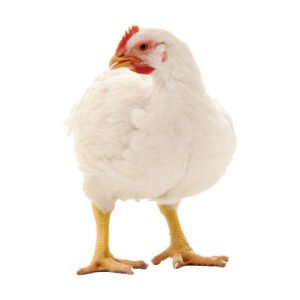
| Appearance | Broad-breasted, white feathers, yellow skin |
| Best For | Commercial meat production and intensive homesteading |
Why Choose Cornish Cross? (The Pros)
1. Unmatched Speed
In the world of livestock, time is money. While a dual-purpose breed might take 20 weeks to reach a decent weight, the Cornish Cross hits its target in less than two months. This allows for multiple “batches” of chickens in a single growing season.
2. Superior Meat Quality
Because these birds grow so quickly, the meat remains incredibly tender. They are famous for their broad breasts and large thighs, providing the classic “supermarket” look and taste that most consumers prefer.
3. Exceptional Feed Conversion
They are highly efficient at turning grain into muscle. For every 2 pounds of feed they consume, they typically gain about 1 pound of body weight.
Management Tips for Success
Because of their extreme growth rate, Cornish Cross birds require a bit more “babysitting” than your average farmyard hen.
-
Restricted Feeding: After the first two weeks, many farmers use a “12 hours on, 12 hours off” feeding schedule. This prevents them from growing too fast, which can lead to heart or leg issues.
-
Cleanliness is Key: These birds eat a lot and, consequently, produce a lot of waste. If you are using a “chicken tractor” or stationary coop, ensure fresh bedding or daily moves to maintain hygiene.
-
Water Access: They need constant access to clean, cool water to aid digestion and prevent overheating.
-
Protein Levels: Start them on a high-protein “broiler starter” (around 22% protein) for the first few weeks before transitioning to a grower mash.
Common Challenges to Consider
It’s important to be realistic: the Cornish Cross is not a “pet” or an egg-layer.
-
Limited Mobility: As they reach full weight, they become less active.
-
Health Risks: If allowed to overeat or kept past 10–12 weeks, they are prone to heart failure and leg weakness.
-
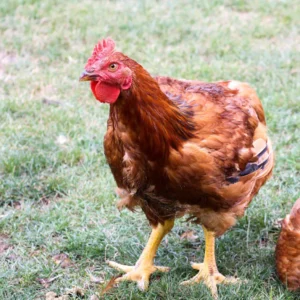
No Foraging: While they can be kept on pasture, they aren’t active foragers like a Rhode Island Red. They prefer to stay near the feeder.
Is the Cornish Cross Right for You?
If your goal is food security and a high-yield harvest, the answer is a resounding yes. There is no other bird that can transform a bag of feed into a delicious family dinner as quickly or effectively as the Cornish Cross.
Ready to start your first flock? Would you like me to create a customized feeding schedule or a shopping list for your first 8-week broiler project?
Reviews
There are no reviews yet.