
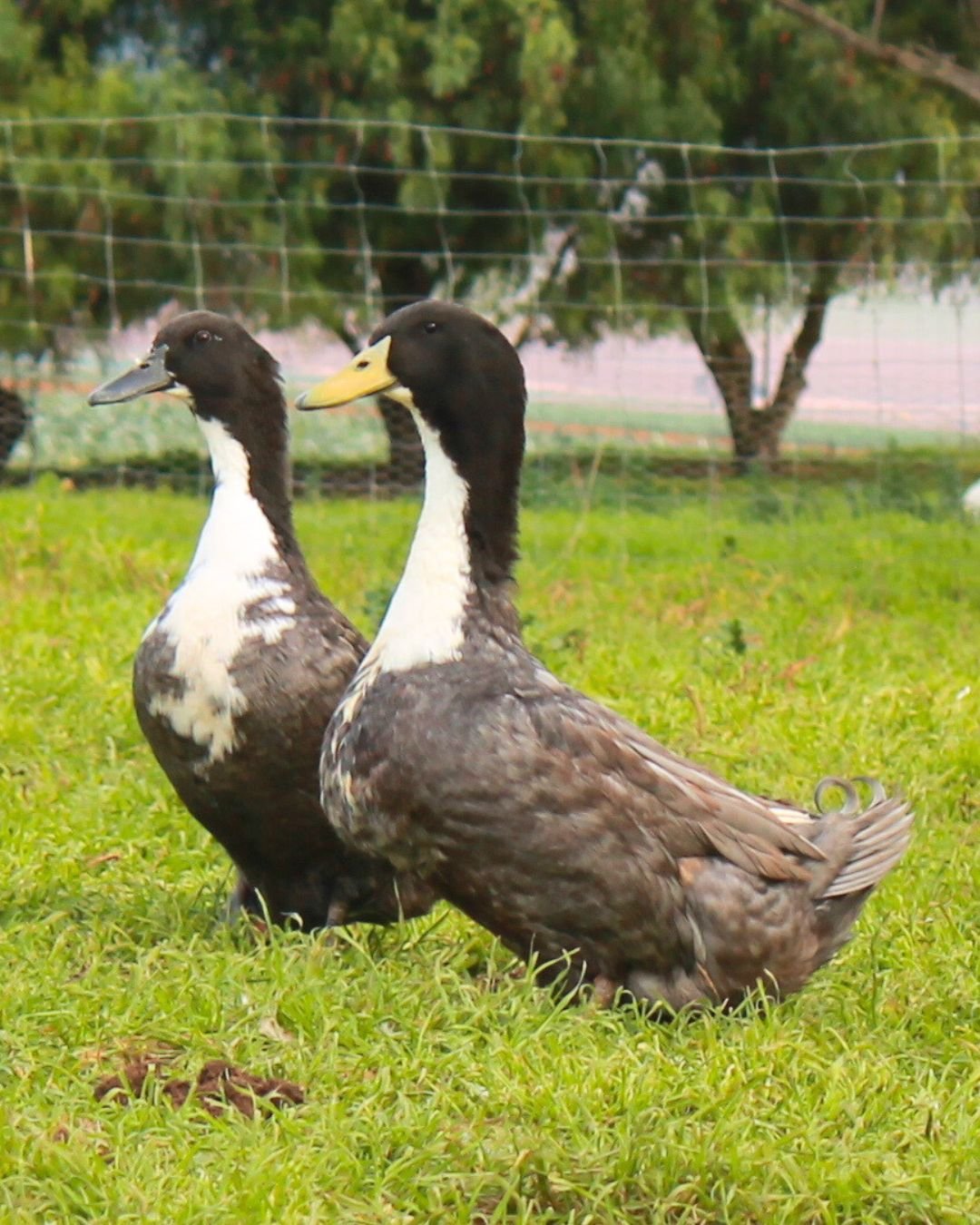


Blue Swedish Ducks
Price range: $45.00 through $50.00
Blue Swedish Ducks: A Complete Guide to This Hardy and Beautiful Breed
If you’re looking for a duck breed that combines beauty, productivity, and resilience, Blue Swedish ducks are an excellent choice. With their striking blue-gray feathers and calm personality, these ducks are perfect for both backyard keepers and small-scale farmers.
In this guide, you’ll learn everything about Blue Swedish ducks—from their origin and characteristics to their care and benefits.
What Are Blue Swedish Ducks?
Blue Swedish ducks are a traditional domestic breed that originated in Sweden. They were developed in the 19th century and are known for their hardiness and ability to thrive in colder climates.
Today, they are valued not only for their attractive appearance but also for their dual-purpose qualities, meaning they are suitable for both egg production and meat.
Key Characteristics of Blue Swedish Ducks
Blue Swedish ducks are easy to recognize thanks to their unique look:
- Color: Slate blue (grayish-blue) feathers with a distinctive white bib on the chest
- Size: Medium to large
- Weight: Typically 2.5–3.5 kg
- Body Shape: Long, broad, and well-rounded
- Temperament: Calm, friendly, and easy to manage
Not all birds hatch with perfect coloring—some may appear darker (black) or lighter (splash), adding variety to your flock.
Why Choose Blue Swedish Ducks?
1. Dual-Purpose Productivity
Blue Swedish ducks are great for both:
- Eggs: Around 120–180 eggs per year
- Meat: Flavorful, well-textured meat
2. Hardy and Adaptable
They are highly resistant to cold weather and can adapt to various environments, making them ideal for different regions.
3. Excellent Foragers
These ducks love to roam and forage, helping reduce feeding costs while naturally controlling insects.
4. Calm and Friendly Nature
Blue Swedish ducks are known for being docile, making them suitable for families and beginners.
Housing and Care Tips
Proper care helps your ducks stay healthy and productive:
Shelter
Provide a dry, draft-free shelter to protect them from rain, wind, and predators.
Water Access
Like all ducks, they need clean water daily for drinking and cleaning their bills.
Space
Give them enough room to move around. Free-range environments are ideal for this breed.
Feeding Blue Swedish Ducks
A balanced diet ensures optimal health and productivity:
- High-quality poultry feed
- Fresh greens and vegetables
- Grains and natural forage
- Clean, fresh water at all times
Their strong foraging ability means they can supplement their diet naturally.
Egg Production and Breeding
Blue Swedish ducks usually begin laying at around 5–6 months of age. While they are not the highest egg producers, their eggs are:
- Rich and flavorful
- Slightly larger than chicken eggs
- Great for cooking and baking
They may occasionally show broody behavior, making natural breeding possible.
Are Blue Swedish Ducks Good for Beginners?
Yes! Their calm temperament, adaptability, and ease of care make them a great choice for beginners. They are less demanding than some high-production breeds while still offering good returns.
Final Thoughts
Blue Swedish ducks are a fantastic addition to any flock. Their combination of beauty, hardiness, and dual-purpose value makes them stand out among duck breeds.
Whether you’re raising ducks for eggs, meat, or simply as a charming addition to your backyard, Blue Swedish ducks are a reliable and rewarding choice.
| Gender |
Female ,Male |
|---|



Reviews
There are no reviews yet.