
Saxony Duck Guide | Care, Traits, Eggs, Meat and Buying Tips
$115.00
The Saxony duck is a quiet, pretty, and helpful breed of duck for small farms, homesteads, and people who keep chickens in their backyards.
Saxony Duck | Complete Guide for Care, Eggs, Meat, and Buying
The Saxony duck is a quiet, pretty, and helpful breed of duck for small farms, homesteads, and people who keep chickens in their backyards.
This breed is popular because it is a good egg producer, has tasty meat, and is friendly all in one bird.
The Saxony duck is a great choice if you want a duck that looks good and works well.
What Is a Saxony Duck?
The Saxony duck is a type of domestic duck that can be used for both eggs and meat.
It was first made in Germany, and then it became popular for people who kept chickens in other areas of the world.
The breed is unique because it has lovely feather hues, a powerful build, and a calm personality.
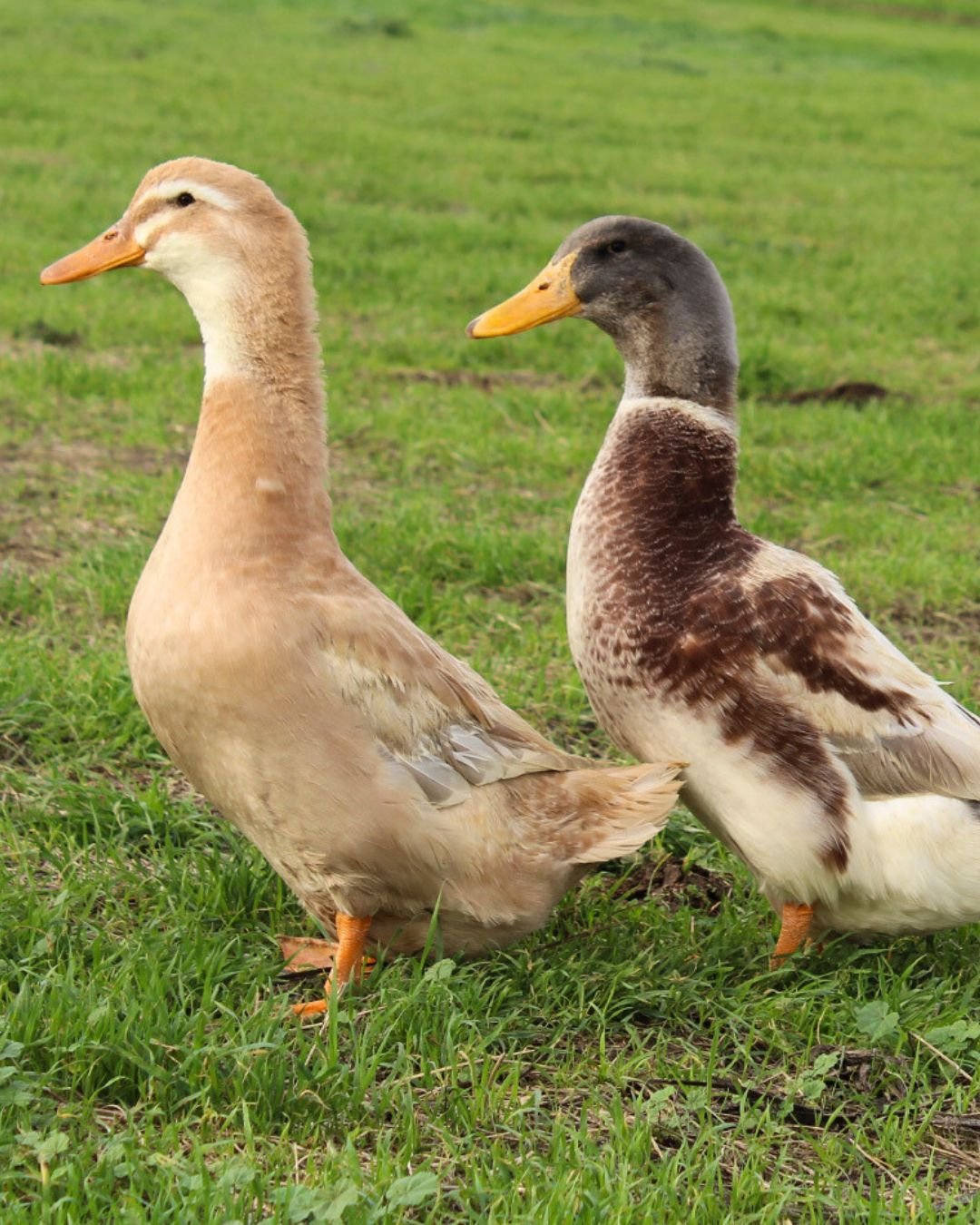
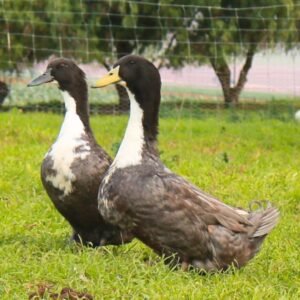
Most males have a blue-gray head, a chestnut body, and cream-colored markings.
Females usually have warm buff or apricot feathers and lighter stripes on their faces.
This breed is simple to spot among other domestic ducks because of its unusual look.
Why People Choose Saxony Ducks
Saxony ducks are a popular choice for people who maintain ducks in their backyards since they are useful and easy to care for.
They not only look nice, but they also have genuine uses on the farm.
A healthy female can lay a lot of eggs in a year.
The breed also grows well, which is good for making meat.
Because it is quiet, it is good for families, beginners, and small farms.
These ducks also actively look for food, which means they can help keep gardens and open spaces free of bugs.
Saxony Duck Temperament
If you handle the Saxony duck with care, it will be calm and sociable.
It normally stays calm around people, especially if it was raised in a serene place.
This breed doesn’t make as much noise as some other duck breeds.
But females may still make loud noises when they are happy, hungry, or stressed.
Saxony ducks do well in mixed flocks as long as they have appropriate room.
They normally don’t act aggressively, but males may get defensive during the breeding season.
Taking care of them well, giving them enough room, and keeping their housing clean all help them stay calm.
Egg Production of Saxony Ducks
People like Saxony ducks because they lay eggs regularly. A healthy female Saxony duck can lay between 190 and 240 eggs a year if she is well cared after. Their eggs are normally medium to large and can be white, cream, or a little bit colored.
The amount of eggs might differ according on the person’s age, diet, weather, and health. During the laying season, you may help your hens lay more eggs by giving them balanced nutrition, fresh water, clean nesting sites, and enough of calcium. Many keepers also give oyster shell separately so that females can get extra calcium when they need it.
Meat Quality and Growth
People also grow the Saxony duck for meat because it is a dual-purpose breed.
When grown on a nutritious diet, it grows a strong body and tasty meat.
A lot of homesteaders like this breed since it gives them both eggs and meat.
The quality of the meat relies on the animal’s feed, age, housing, and overall care.
Ducks that have room to roam around and find food often get healthier.
If you want to raise ducks for meat, make sure you follow local laws and treat them well.
Housing Needs for Saxony Ducks
Saxony ducks need homes that are safe, dry, and well-ventilated.
Their shelter should keep them safe from predators, the cold wind, severe rain, and very hot weather.
If it stays clean and safe, a modest duck home can function nicely.
Use dry bedding like straw, wood shavings, or other bedding that is safe.
Ducks make the spaces near food and water wet, so change their bedding often.
Good airflow helps get rid of ammonia, moisture, and respiratory difficulties.
At night, lock the ducks up so that foxes, raccoons, dogs, and other predators can’t get to them.
Feeding and Nutrition
To keep healthy and work well, a Saxony duck needs a diet that is balanced.
The major food source can be a good duck or waterfowl feed.
Ducklings need starter feed with the right amount of protein to grow quickly.
Depending on their age and purpose, adult ducks need layer feed or maintenance feed.
Always provide ducks fresh water because they need it to drink and clean their bills.
Don’t feed them rotting food, salty snacks, chocolate, or trash from the kitchen that could hurt them.
You can give your pet tiny amounts of greens, peas, grains, and safe vegetables as treats.
Water and Space Requirements
Saxony ducks enjoy water, but they don’t always need a big pond.
They can bathe and clean their feathers in a clean tub, small pool, or water container.
They require enough water to put their heads in and clear their noses.
Ducks quickly make water nasty, therefore you should clean your bathing water often.
Space is also important because ducks that are too close together get anxious and sick.
A safe outside run offers them space to walk, look for food, and act like they normally would.
Birds are usually cleaner and healthier when they have more room.
Health and Common Care Tips
Saxony ducks are usually tough when their owners take good care of them.
They still need to be watched often since disease can spread swiftly in flocks of birds.
Look out for indicators including low energy, not wanting to eat, limping, filthy feathers, or trouble breathing.
When you offer your pets clean housing, fresh water, good food, and protection from predators, a lot of common problems go away.
Ducks can damage their feet in wet or rough conditions, so check their feet often.
Keep the place where they sleep and rest dry.
If you observe indicators that something is wrong or your flock is changing quickly, call a poultry vet.
Saxony Duck for Sale: What to Check Before Buying
Choose a reliable hatchery, farm, or breeder when you want to buy Saxony ducks.
Find out where the bird comes from, how old it is, how healthy it is, and what it consumes now.
Check for smooth feathers, clean bills and clear eyes.
Ducks that look weak, dirty, too skinny, or too quiet should be avoided.
Ask if the ducklings need heat, beginning nutrition, and special care if you buy them.
If you buy grown ducks, enquire if they have already started laying eggs.
Before you raise ducks in your location, make sure to verify the restrictions there too.
Is the Saxony Duck Right for You?
If you want a duck that is both pretty and practical, the Saxony is a fantastic choice.
It works well for people who raise animals in their backyards, on small farms, or as a hobby.
If you can give this breed space, water, shelter, and daily attention, it will do well.
People who desire a pet that is absolutely quiet or doesn’t need any care may not like it.
It needs to be cleaned, fed, and protected on a regular basis, just like all ducks.
This breed can be a useful member of your flock if you can meet their criteria.
FAQs About Saxony Ducks
Are Saxony ducks a suitable choice for beginners?
Yes, Saxony ducks are good for beginners because they are quiet, helpful, and not too hard to take care of.
Do Saxony ducks lay a lot of eggs?
Yes, healthy females can deposit a lot of eggs if they are fed, watered, and cared for properly.
Do Saxony ducks get along with people?
Most Saxony ducks are friendly, especially if people are calm with them when they are young.
Can Saxony ducks survive without a pond?
Yes, they can live without a pond as long as they have clean water to drink and bathe in.
Where can I get a Saxony duck?
You can look at local farms, hatcheries, poultry clubs, and farm marketplaces that you know are trustworthy.
Conclusion
The Saxony duck is a pretty and useful breed for people who seek eggs, meat, and a quiet flock.
It is a great deal for homesteads, backyard farms, and anyone who keep chickens and ducks who like rare domestic duck breeds.
Before you buy, find out how to care for it and pick a healthy bird from a trusted source.
| Gender |
Female and Male Pair |
|---|
Related products
Black Ameraucana Chicken: Care, Chicks & Egg Laying Guide
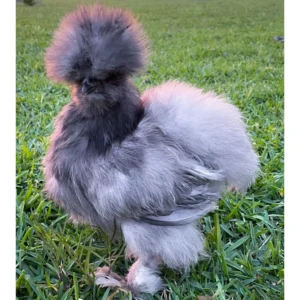
Blue Silkie Bantam
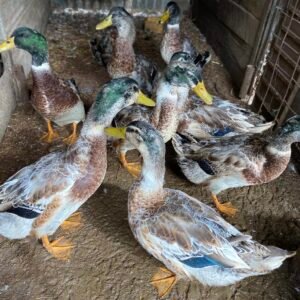
Buy Silver Appleyard Ducks for Sell | Healthy Ducklings Online
Where to buy Silver Appleyard ducks online
You can get Silver Appleyard ducks from breeders who are registered. They will bring healthy ducklings that have been vaccinated to your farm or home. Many farms in the area sell Silver Appleyard ducks and give buyers all the information they need about the breed, how to feed them, and how to deliver them safely to their new home. You may safely buy Silver Appleyard ducks from online markets that enable you compare prices, read reviews, and find breeders with certified, disease-free stock.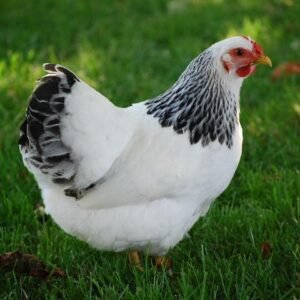
Columbian Wyandotte Chicken Breed – Care, Hens, Roosters, Eggs
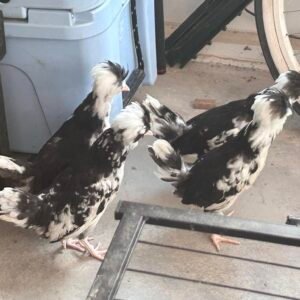
Mottled Houdan Chicken | Rare, Beautiful & Hardy Heritage Breed
Reviews
There are no reviews yet.