
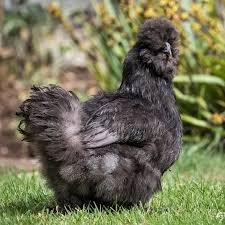
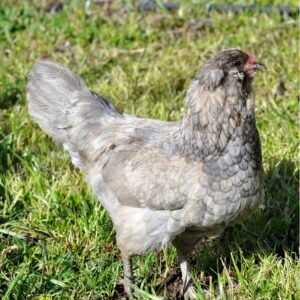
Black Silkie Bantam for Sale | Gentle Fluffy Silkies
$15.00
Adding Black Silkie Bantam chicks to your flock will make it more beautiful, gentle, and tranquil.
Pet owners and decorative chicken keepers love them because they have fluffy black feathers, sweet personalities, and strong broody instincts.
Black Silkie Bantam
The Black Silkie Bantam is one of the most beautiful bantam chickens you may have.
It has velvety feathers, a deep black colour, and a lovely disposition all in one small bird.
A lot of people buy this breed because they are beautiful, good company, and look nice.
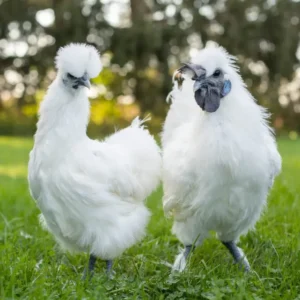
Black Silkie Bantam chicks turn into small birds with fluffy feathers and a shape that is all their own.
Adults have black feathers, black skin, feathered legs, blue earlobes, and five toes on each foot.
It’s easy to spot black silkie hens in any flock because of these unusual traits.
A lot of families and hobbyists love this silkie bantam chicken because it is so gentle.
Silkies are normally calm, amiable, and simple to manage.
They also thrive well in small pet flocks and backyards.
This type of silkie chicken is a great choice if you want a pet.
These birds like their carers to be calm and pay attention to them on a regular basis.
They are popular with kids and beginners since they are quiet and gentle.
The Black Silkie Bantam is also a great deal as a decorative bantam chicken.
Its round body, silky feathers, and black colour make it stand out in the coop.
A lot of people who own flocks retain Silkies because they make the flock look more interesting and charming.
This breed is also great when broodiness is important.
A broody silkie hen usually sits still and takes care of her babies.
Many people utilise Silkie hens to hatch eggs from other kinds of birds.
Black Silkie Bantams don’t lay a lot of eggs.
Instead of laying a lot of eggs, they normally lay little cream or coloured ones.
Most purchasers care more about their temperament, broodiness, and looks than how many eggs they lay.
Taking good care of your silkie chickens can keep them healthy and lovely.
Make sure their home is clean, dry, and safe from tough flockmates.
Their fluffy feathers look great, but they require additional protection when it rains.
This black bantam chicken is a good choice for limited settings.
Because it is a bantam size, many people who raise chickens in their backyards find it easier to handle every day.
It also works for purchasers who want a decorative flock but don’t want big birds.
If you want a fluffy bantam chicken with a lot of personality, get the Black Silkie Bantam.
It gives your flock a peaceful energy, looks good, and is easy for beginners to care for.
That blend makes this breed attractive with both pet owners and hobbyists.
If you want a fluffy bantam chicken with a lot of personality, choose the Black Silkie Bantam.
It gives your flock a calming energy, looks good, and is easy for beginners to use.
That blend makes this species popular with pet owners and people who maintain them as a hobby.
FAQs
What is a Black Silkie Bantam chicken?
A Black Silkie Bantam is a little decorative bird with black skin, fluffy black feathers, feathered legs, and five toes.
Do Black Silkie Bantams get along with people?
Yes.
They are usually quiet, docile, and easy to handle, which makes them great for families and anyone who are just starting out.
How many eggs do Black Silkie Bantams lay?
No.
They lay little cream or coloured eggs and make light.
Most keepers chose them because they are pretty and like to nest.
Are Silkie hens good at being mothers?
Yes.
Silkie hens are known for being very broody and good mothers.
A lot of people utilise them to hatch additional eggs.
What makes people want to buy Black Silkie Bantams?
People like how fluffy they are, how calm they are, and how pretty they are.
They also make great pet birds for small groups of birds in the backyard.
| Gender |
Female ,Male |
|---|
Related products
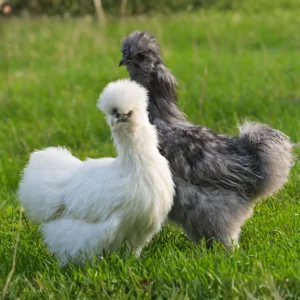
Assorted Silkie Bantams for Sale | Mixed Color Silkies
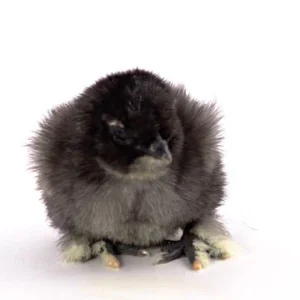
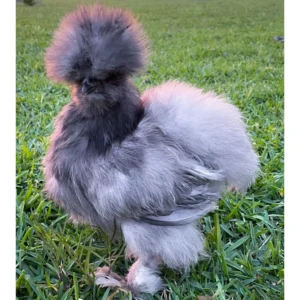
Blue Silkie Bantam
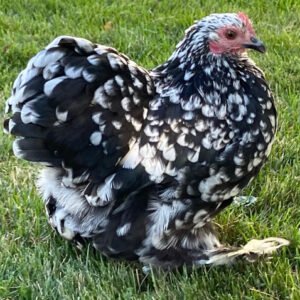
Mottled Cochin Bantam: Breed Traits, Care, Eggs, and Temperament
The Mottled Cochin Bantam is a little, cute chicken breed with beautiful black-and-white feathers and legs that are covered in feathers. It has a calm and kind personality, so it's great for families and backyard flocks. These bantams are great for novices since they are easy to care for, often go broody, and are great mothers. They lay between 150 and 200 little eggs each year, but many chicken owners choose them because they are pretty and kind.
Reviews
There are no reviews yet.